
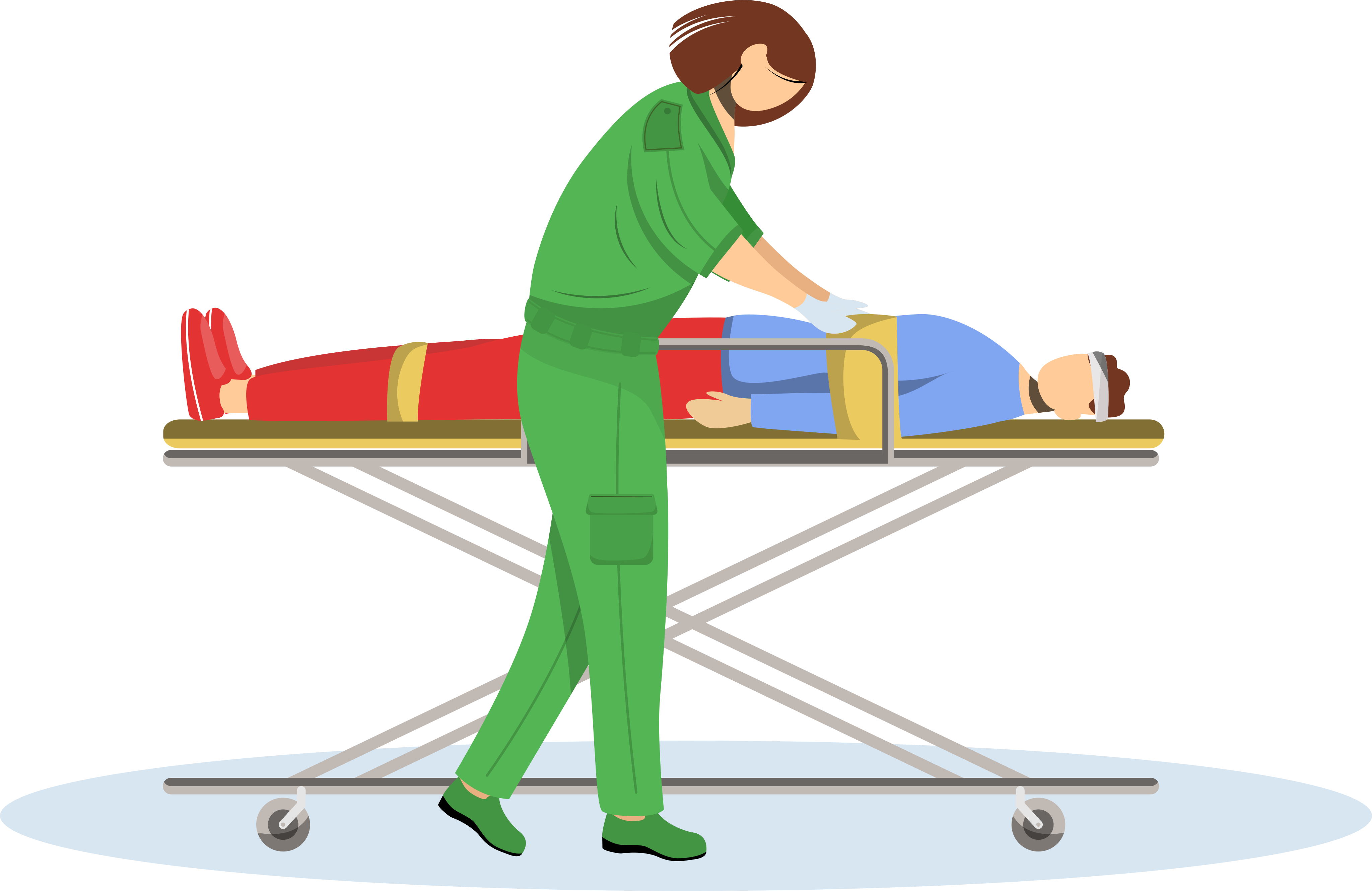
The First Aid Responders (FAR) training course equips individuals with vital skills to act swiftly in emergencies, potentially saving lives. Lasting typically a few days, it covers CPR, wound care, fractures, and other critical first aid techniques. Participants learn to assess situations calmly, prioritise actions, and administer aid effectively. Practical simulations enhance confidence in real-life scenarios. FAR courses emphasise rapid response, stressing the importance of time in emergencies. Graduates emerge ready to be the first line of defence in crises, whether at home, work, or in public spaces. Their knowledge becomes a beacon of hope in times of distress.

A Manual Handling Training Course educates individuals on safe techniques for lifting, carrying, and moving objects to prevent injury. Typically spanning a day or more, it covers ergonomic principles, proper lifting postures, and risk assessment strategies. Participants learn to recognise hazards, avoid strains, and use equipment effectively. Practical exercises demonstrate the importance of body mechanics and teamwork in minimising workplace injuries. The course emphasises injury prevention through awareness and proactive measures. Graduates emerge equipped with the knowledge and skills to protect their well-being and that of others, fostering a safer and healthier work environment.
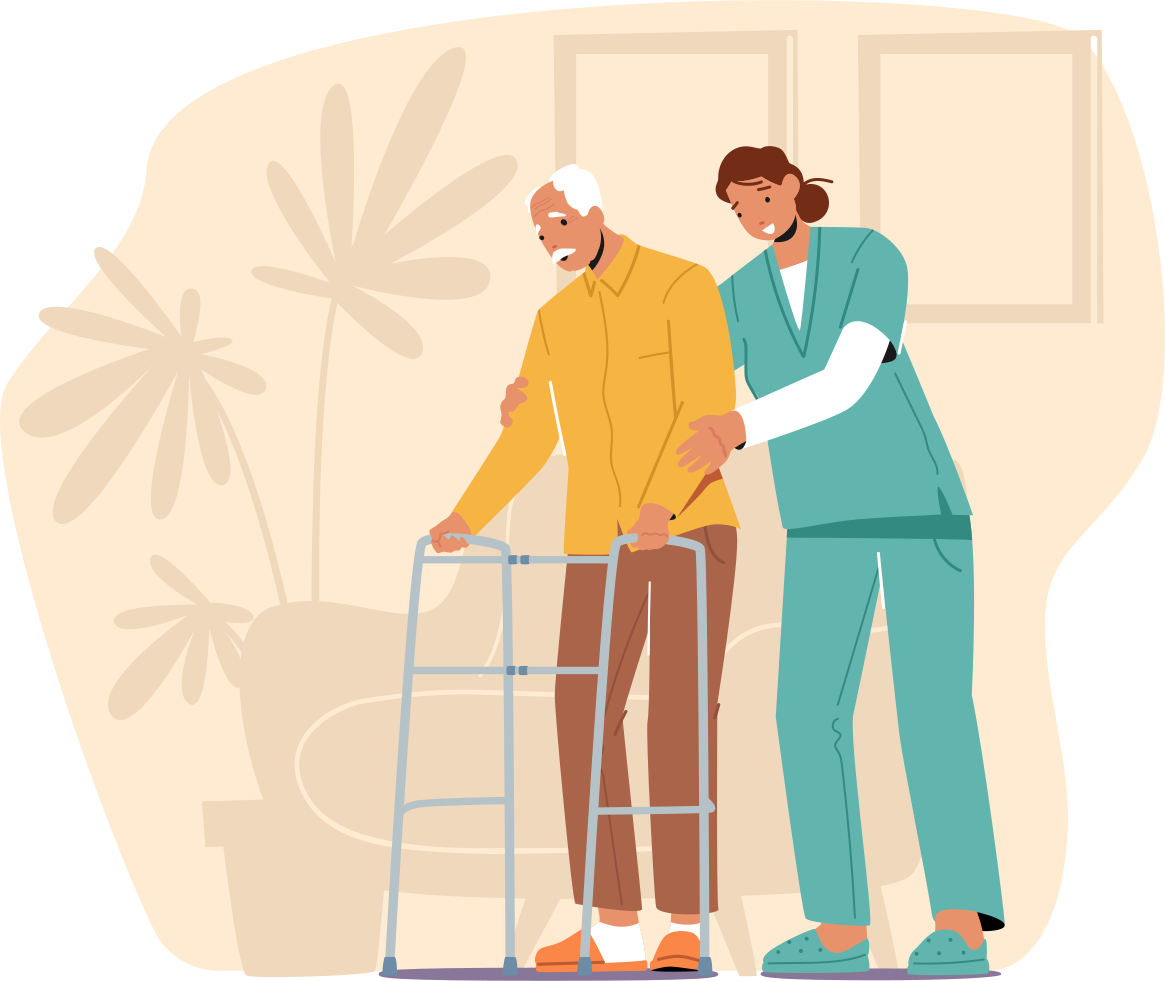
Patient Manual Handling Training Course educates healthcare professionals on safe techniques for moving and transferring patients, reducing the risk of injuries to both patients and caregivers. Covering topics such as proper lifting methods, patient assessment, and equipment utilisation, the course emphasises the importance of ergonomics and teamwork in providing safe and effective care. Practical simulations and case studies enhance understanding and confidence in handling various patient scenarios. Graduates emerge equipped with the skills to ensure patient comfort and safety while minimising the risk of musculoskeletal injuries among healthcare workers, ultimately enhancing the quality of patient care.
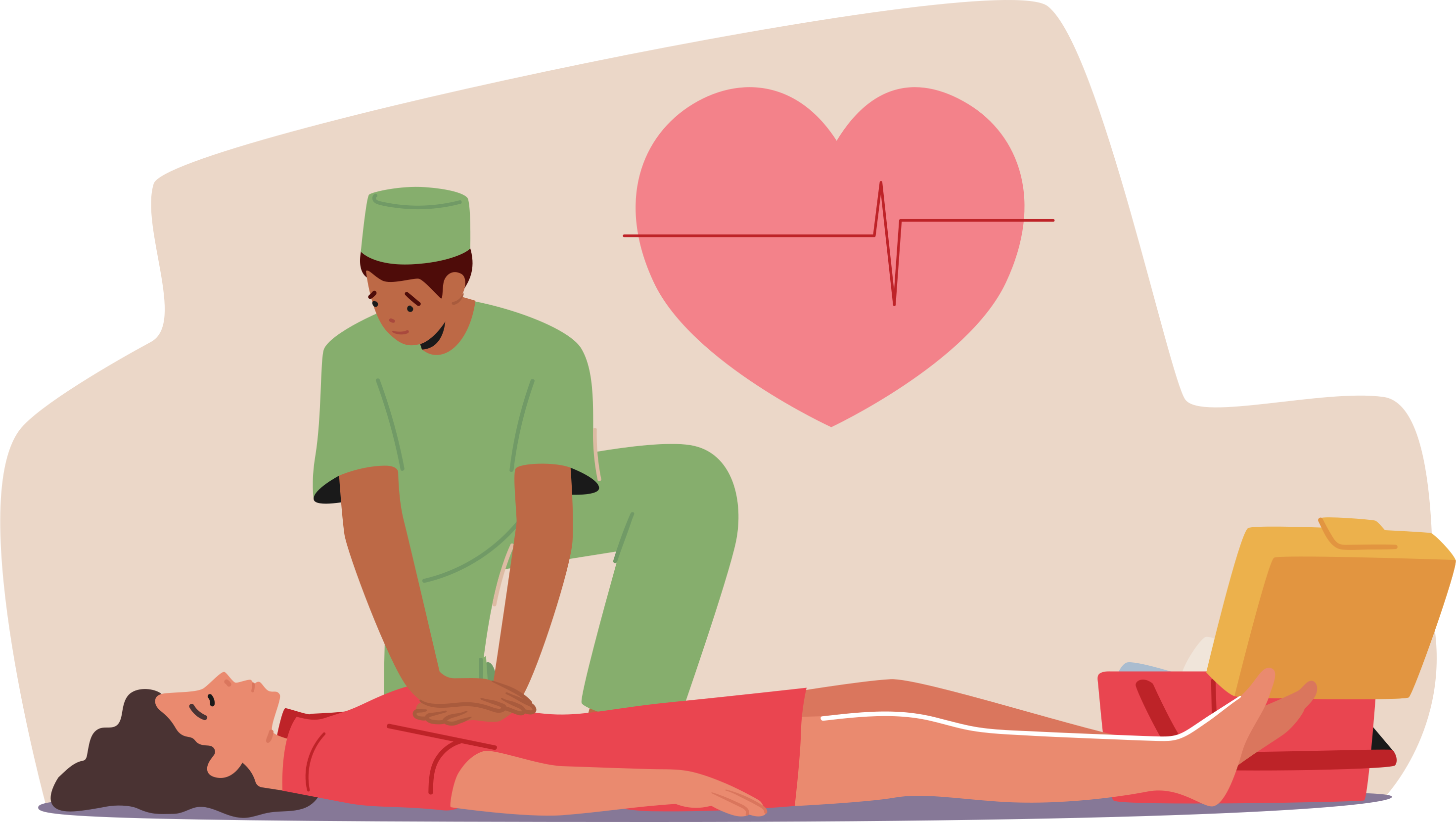
The CPR & AED Training Course, accredited by the Irish Heart Foundation, equips individuals with essential lifesaving skills. Participants learn cardiopulmonary resuscitation (CPR) techniques for adults, children, and infants, as well as how to use automated external defibrillators (AEDs) effectively. Through hands-on simulations and interactive instruction, attendees gain confidence in responding to cardiac emergencies swiftly and effectively. The course emphasises the importance of early intervention and teamwork in increasing survival rates. Upon completion, participants receive certification from the Irish Heart Foundation, demonstrating their ability to provide critical aid in cardiac arrest situations, potentially saving lives within their communities.
The Basic Life Support (BLS) Training Course provides fundamental skills in emergency medical care, focusing on cardiopulmonary resuscitation (CPR) and basic airway management. Participants learn to recognise cardiac arrest, perform high-quality chest compressions, and deliver rescue breaths effectively. Hands-on practice sessions reinforce proper techniques for adults, children, and infants. The course also covers the use of automated external defibrillators (AEDs) and basic first aid principles. Through simulated scenarios and interactive instruction, attendees gain confidence in responding to life-threatening situations. Completion of the course ensures individuals are equipped with the knowledge and skills to intervene promptly, potentially saving lives in critical emergencies.

The Fire Safety/Fire Marshal & Fire Manager Training Course provides essential knowledge and skills to prevent, manage, and respond to fire emergencies effectively. Participants learn fire safety regulations, hazard identification, evacuation procedures, and fire extinguisher operation. Special focus is placed on the roles of fire marshals and managers in coordinating evacuation drills and ensuring compliance with safety protocols. Practical exercises simulate real-life scenarios, enhancing preparedness and decision-making under pressure. Graduates emerge equipped to assess fire risks, implement preventive measures, and lead evacuation efforts with confidence. Their expertise serves as a critical line of defence, safeguarding lives and property in diverse environments.

The HACCP (Hazard Analysis and Critical Control Points) Training Course equips individuals with the knowledge and skills to ensure food safety and prevent hazards in the food industry. Participants learn to identify and analyse potential hazards, establish critical control points, and implement preventive measures. The course covers principles of sanitation, hygiene, and risk assessment, emphasising compliance with regulatory standards. Through case studies and practical exercises, attendees gain insights into developing and maintaining effective HACCP plans. Completion of the course empowers professionals to mitigate risks, uphold quality standards, and protect consumer health, fostering trust in food products and enhancing industry credibility.
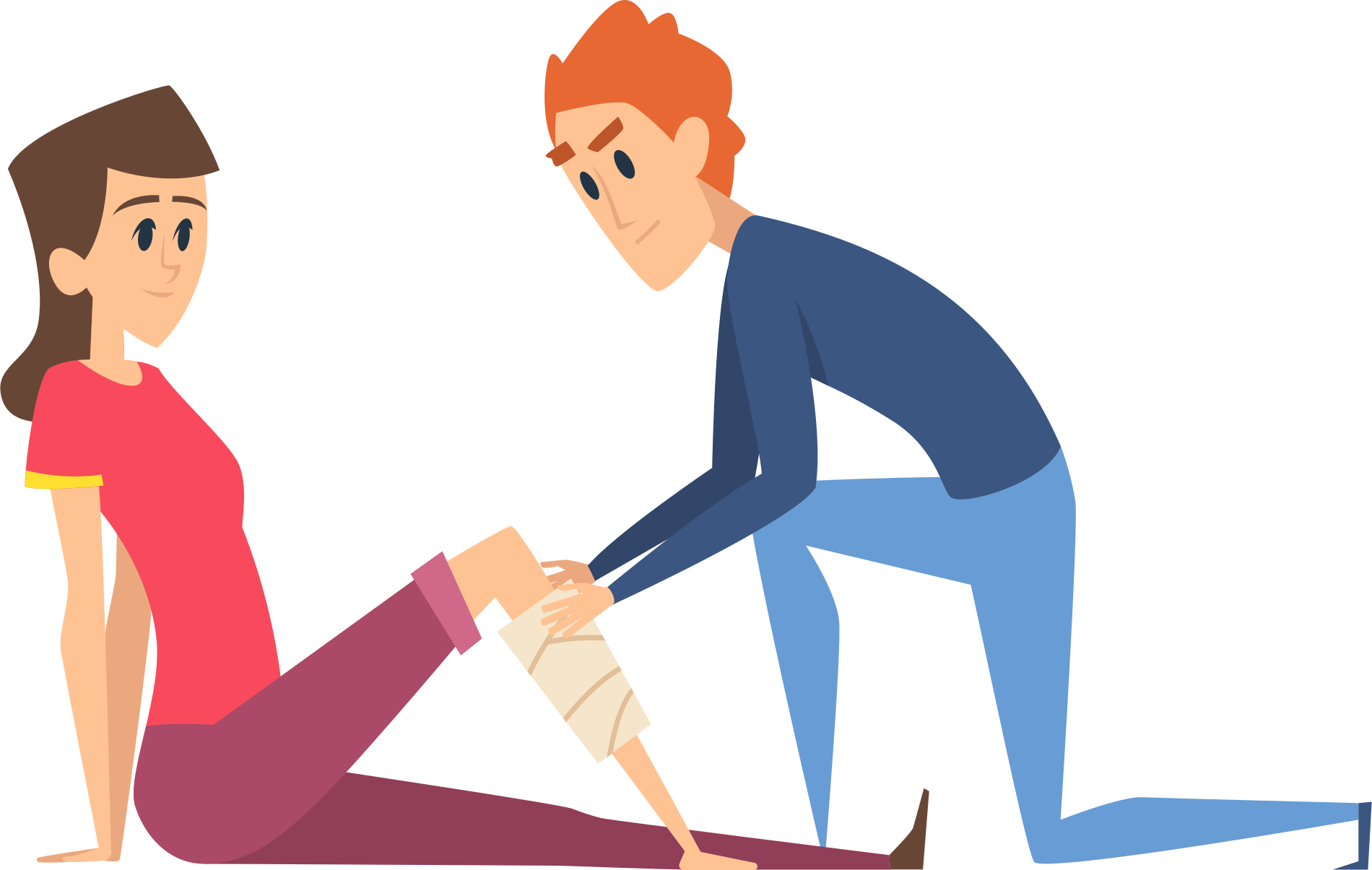
A Basic First Aid Course provides foundational skills to respond effectively to medical emergencies. Participants learn essential techniques such as wound care, CPR, choking relief, and assessing vital signs. Through hands-on training and interactive instruction, attendees gain confidence in administering aid in various situations. The course emphasises quick assessment and timely intervention, stressing the importance of staying calm under pressure. Practical simulations simulate real-life scenarios, enhancing readiness to act decisively. Graduates emerge equipped to provide immediate assistance in emergencies, potentially saving lives and minimising the impact of injuries until professional medical help arrives.

The Paediatric First Aid Course for Childcare equips caregivers with specialised skills to address medical emergencies involving children. Participants learn age-appropriate techniques for CPR, choking relief, wound care, and allergic reactions. The curriculum emphasises unique paediatric concerns like fever management and recognising signs of abuse. Through interactive instruction and hands-on simulations, caregivers gain confidence in handling emergencies specific to children. Practical scenarios enhance understanding of child development and effective communication with parents. Completion of the course ensures caregivers are prepared to provide immediate care and comfort to children in their care, promoting safety and well-being in childcare settings.
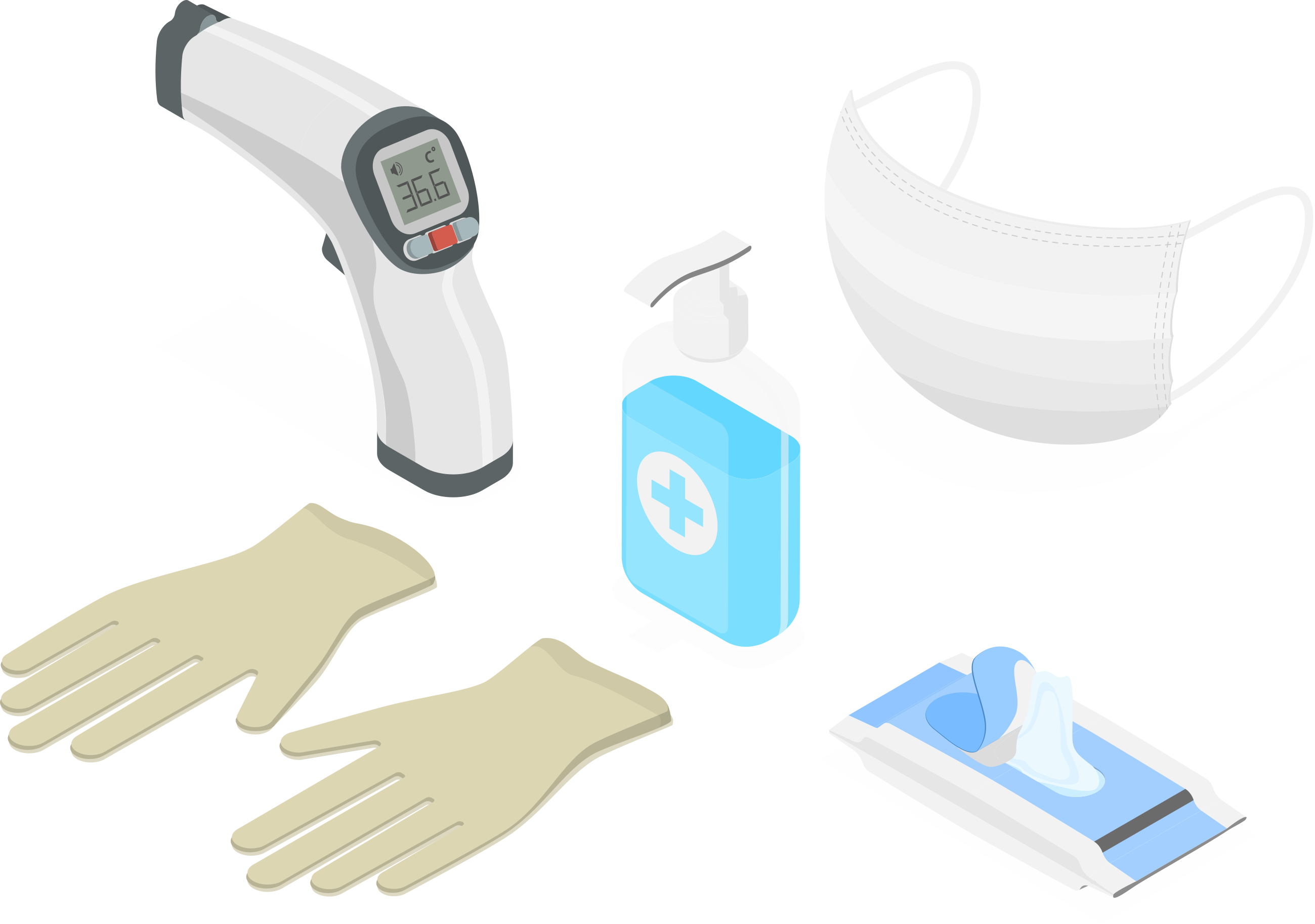
The Infection Prevention Control (IPC) Training Course equips individuals with crucial knowledge and skills to prevent the spread of infectious diseases in healthcare settings and beyond. Participants learn about pathogens, transmission routes, hand hygiene, personal protective equipment (PPE) usage, and environmental cleaning protocols. The course emphasises the importance of adherence to infection control practices in reducing healthcare-associated infections. Practical exercises and case studies deepen understanding and application of IPC principles. Graduates emerge with the expertise to implement effective infection control measures, safeguarding patients, healthcare workers, and the community from the spread of infectious diseases.
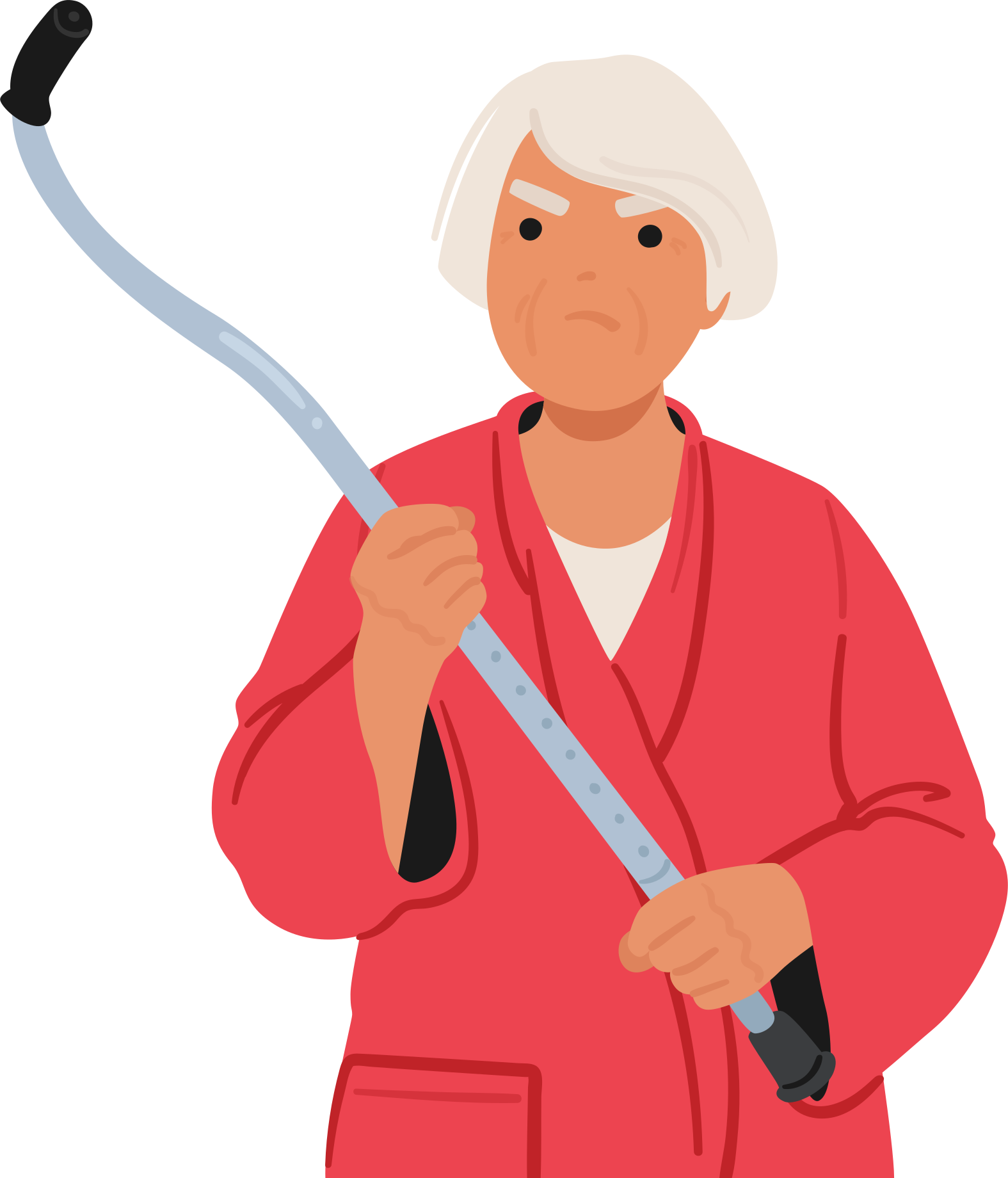
The Prevention and Management of Aggression and Violence (PMAV) Training Course equips frontline staff with critical skills to recognise, prevent, and effectively handle aggressive or violent behaviour. Participants learn de-escalation techniques, conflict resolution strategies, and the importance of maintaining personal safety and boundaries. The curriculum emphasises early intervention, communication skills, and understanding triggers to diffuse potentially volatile situations. Through role-playing scenarios and practical exercises, attendees gain confidence in managing challenging interactions while prioritising the safety and well-being of themselves and others. Completion of the course empowers frontline staff to navigate complex situations with professionalism, empathy, and resilience.

The Display Screen Equipment (DSE) / Visual Display Unit (VDU) Assessment Service offers comprehensive evaluations to ensure ergonomic workstations and minimise health risks associated with prolonged screen use. Certified professionals conduct assessments, examining workstation setups, seating, lighting, and screen configurations. Recommendations are provided to optimise ergonomics, reduce eye strain, and prevent musculoskeletal issues. Personalised advice on posture, breaks, and exercises promotes user well-being and productivity. The service includes training on proper workstation adjustments and healthy habits. By prioritising user comfort and safety, the DSE/VDU Assessment Service enhances workplace ergonomics, fosters employee health, and mitigates the risk of occupational injuries.
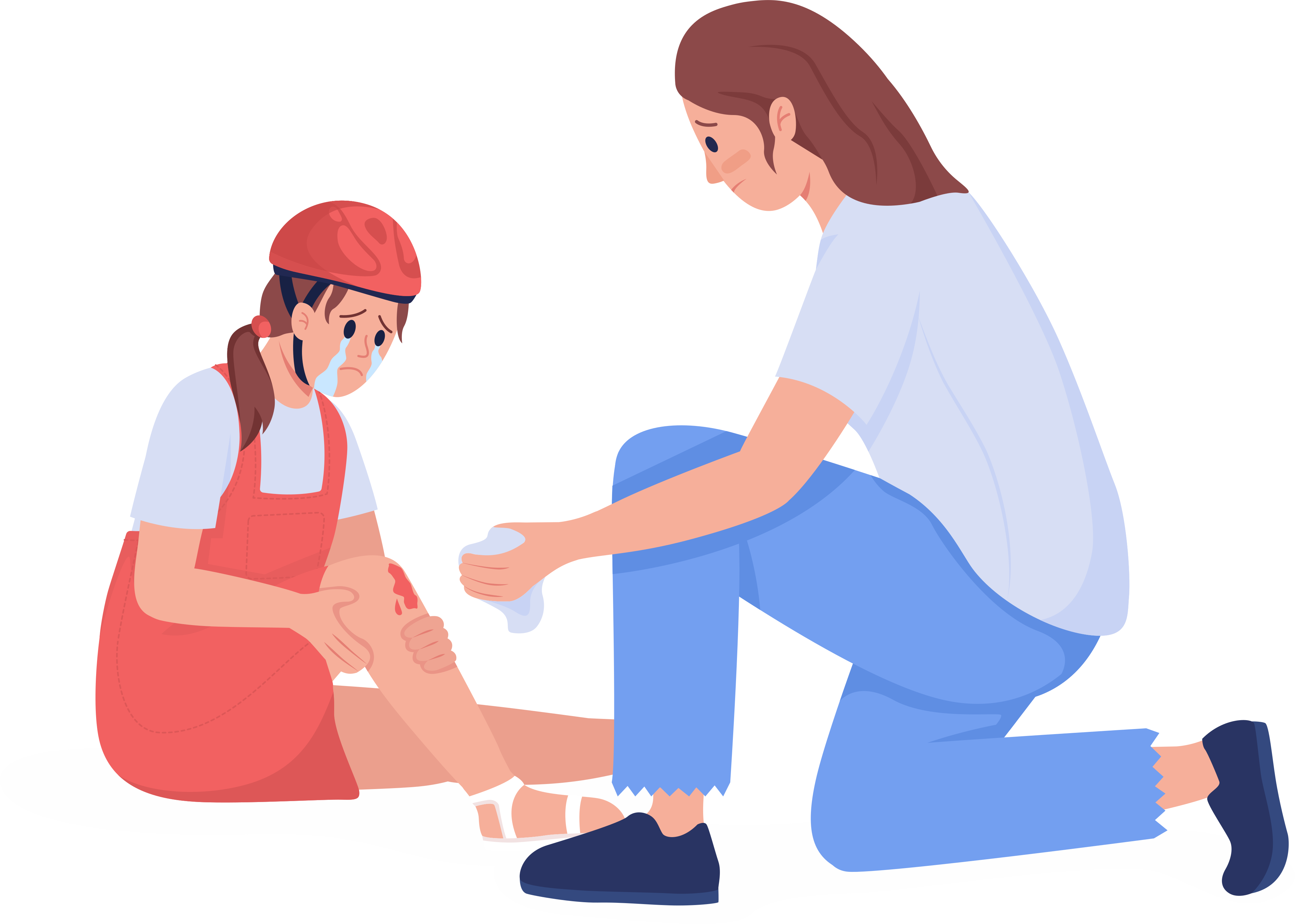
The Sports First Aid Training Course, condensed into half a day, offers essential knowledge and skills tailored for sports teams and clubs. Participants learn to manage common sports-related injuries, including strains, sprains, and fractures, as well as concussion recognition and management. Practical demonstrations and scenario-based training enhance understanding and confidence in providing immediate care on the field. Emphasis is placed on injury prevention strategies and proper use of sports-specific first aid equipment. Open to all sports teams and clubs, this course ensures athletes, coaches, and support staff are prepared to handle emergencies swiftly and effectively, promoting safe and enjoyable sporting experiences.
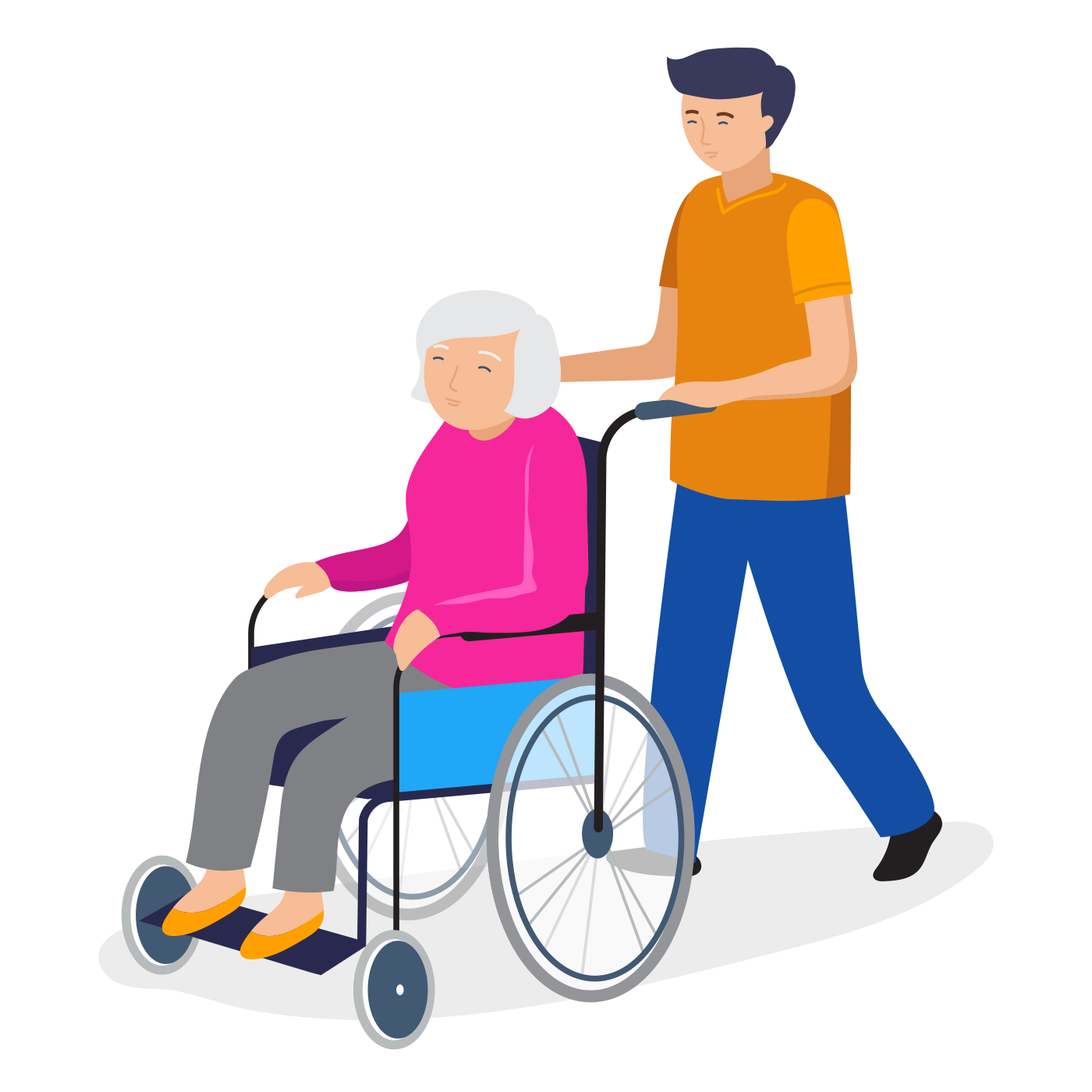
Our Evac Chair Training Course equips your team with essential skills to safely evacuate individuals with mobility impairments during emergencies. Participants will learn to operate evacuation chairs, ensuring a swift and secure descent down stairs. The comprehensive course includes practical, hands-on sessions, covering chair assembly, maneuvering techniques, and emergency protocols. Certified instructors provide personalized guidance, ensuring all attendees gain confidence and competence. Ideal for workplaces, schools, and public facilities, this training enhances your emergency preparedness, promoting a safer environment for everyone. Join our course and ensure your team is ready to act with precision and care in critical situations.
Drop us a line
2025 Dorrian training
Web Design by Juvo